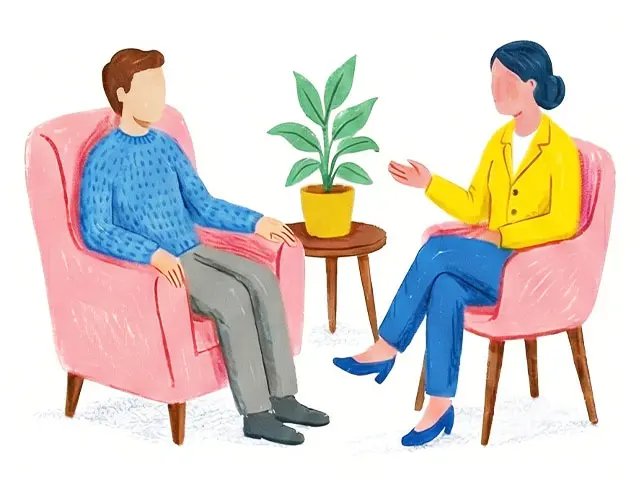

What behaviour modification methods are used?
Behaviour modification uses structured, practical techniques to change specific behaviours. The methods chosen depend on the behaviour concerned and the age of the person.
- Positive Reinforcement
- Token Systems
- Structured Routines
- Habit Reversal
- Graded Practice
- Parent Training
What is behaviour modification?
Understanding the therapy
Behaviour modification is based on the principle that behaviour is learned and can therefore be changed. It identifies what triggers and maintains a behaviour, then applies consistent strategies to encourage helpful patterns. It is used for:
Behaviour modification is especially effective with children and adolescents, and works best when parents and teachers apply the same approach consistently at home and at school.
Benefits of behaviour modification
This approach produces measurable change in specific behaviours. Progress is tracked clearly, so both patient and family can see what is improving.
Symptom Relief
Reduce anxiety, low mood, and emotional distress, making daily life feel more manageable.
Better Daily Functioning
Strengthen coping skills, focus, and resilience to handle work, study, and responsibilities.
Improved Sleep and Health
Reduced tension often improves sleep, appetite, and general physical wellbeing over time.
Stronger Relationships
Develop clearer communication, set boundaries, and build more supportive connections.
Some signs that support may help
Early signs that should not be ignored
- Persistent worry or low mood
- Difficulty sleeping
- Loss of interest in daily activities
- Difficulty concentrating
- Withdrawal from family and friends
- Irritability or anger outbursts
- Changes in appetite or weight
- Reliance on alcohol or substances
Hear from our clients
Stories of transformation
Garima Mundra
Vaibhav Maheshwari
Abhishek Malviya
Sanidhya Gupta
Swathi Vishwas
Aditya Koolwal
Frequently
Asked Questions
Questions we are often asked
Q1: Who benefits from behaviour modification?
It is widely used for children with ADHD, defiance, or habit disorders, and for adults working on specific behavioural goals.
Q2: How long does it take?
Simple behaviours may change within weeks. Longstanding patterns take longer and need consistent application.
Q3: What is expected of parents?
Parents are central to the process. Guidance is given on responding consistently, which is essential for change to hold.
Q4: Is punishment used?
No. The emphasis is on reinforcing desired behaviour and removing what maintains unwanted behaviour, not on punishment.
Q5: Can it be used with medication?
Yes. In conditions such as ADHD, behavioural methods and medication together are often more effective than either alone.